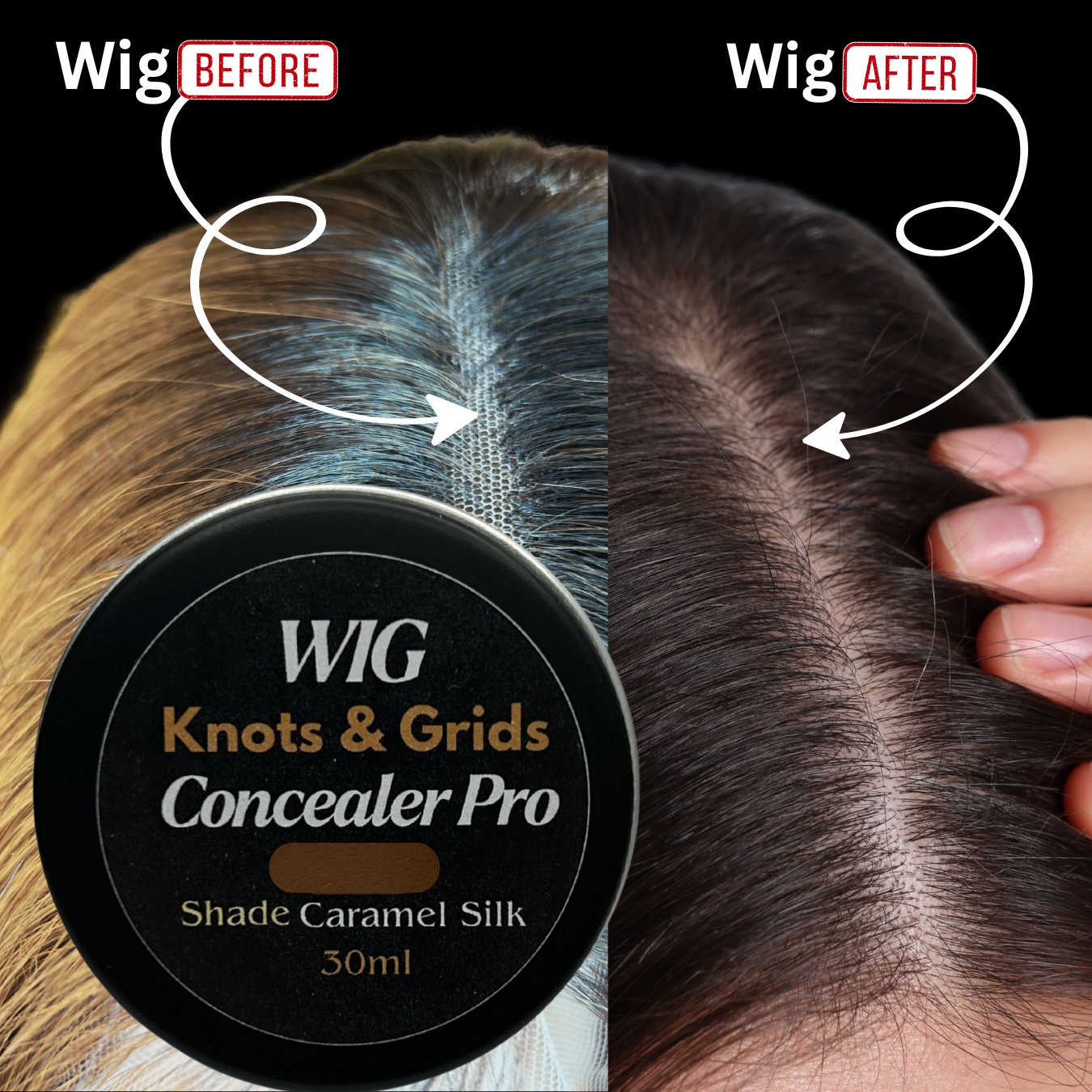
Why Real Wig™ Concealer is a Must-Have for Every Wig Lover
If you’re serious about lace wigs, you already know that the magic is in the details. It’s not just about

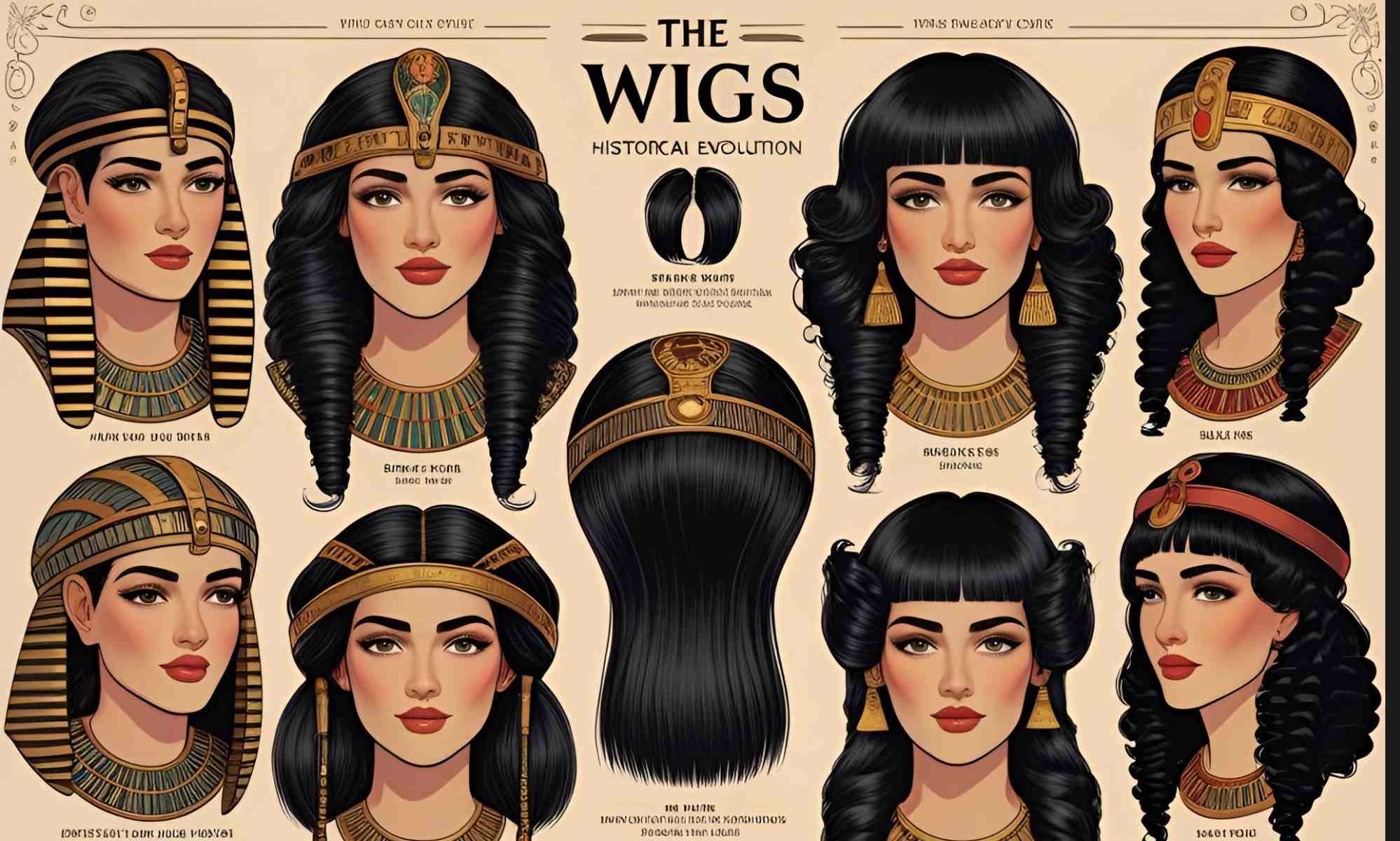
Wigs have been a symbol of beauty, status, identity, and even politics for thousands of years. But where did they come from? Why were they worn? Today, we uncover the fascinating history of wigs, from their ancient origins to their modern-day comeback in fashion, film, and daily wear.
Whether you wear wigs for style, medical reasons, or convenience, knowing their story deepens your connection to this timeless hair accessory.
The earliest recorded use of wigs dates back to ancient Egypt (circa 2700 BCE). Egyptians, especially the elite, wore wigs made from human hair, sheep wool, or palm fiber to protect their shaven heads from the sun and lice. These wigs symbolized social rank and were often styled with beeswax and scented oils.
According to the British Museum, wealthy Egyptians possessed multiple wigs and even buried them with the deceased for the afterlife.

By the time of ancient Rome and Greece, wigs had transformed into tools of elegance and deception. Roman women wore elaborate wigs made from blonde or red hair imported from conquered territories. Men used wigs to hide baldness or enhance political presence.
In Greece, actors used wigs (called “prosopa”) in theatrical performances—a practice that influenced modern-day costume wigs.

Wigs exploded in popularity during the 17th century in Europe, especially in France and England. King Louis XIII and King Louis XIV of France made wigs fashionable among aristocracy. In England, King Charles II helped popularize the periwig—a full wig worn to project authority and status.
By the 18th century, powdered wigs became essential for judges, barristers, and nobility, with elaborate styles that were symbols of social class. These “court wigs” are still used in some legal systems today.

With industrialization, wigs became more accessible. The 1920s saw finger wave wig styles, and by the 1960s, synthetic hair made wigs affordable. Stars like Marilyn Monroe, Cher, and later Beyoncé and Lady Gaga made wigs mainstream, turning them into tools of self-expression.
Today, wigs are widely used in:
From royal courts to music videos, the history of wigs shows their lasting impact on society. They reflect culture, politics, art, and personal identity. Understanding where wigs come from can inspire how we wear them today—with pride, style, and historical awareness.

So next time you put on your lace front or style a synthetic bob, remember: you’re not just changing your hair—you’re participating in a story thousands of years old. But whatever expensive or cheap wig you wear, its wigs holes, grids and knots always makes it unnatural and fake. But different creative companies developed Lace Wig Knots and Grid concealer and make wig look fully natural.
If you’re serious about lace wigs, you already know that the magic is in the details. It’s not just about

Wig concealer is the secret to a scalp-like finish—but what happens when it’s time to remove it? Whether you’re switching